On the highway, conditions can change in a fraction of a second, sometimes before you even notice. That is why Honda developed Honda Sensing: a suite of safety and driver-assistance technologies that uses cameras and sensors to detect potential hazards and help reduce the risk of a collision.
If you are considering buying a new vehicle in Aruba, it is worth learning how Honda Sensing works and how each of its technologies can help make every drive safer.
What is Honda Sensing?
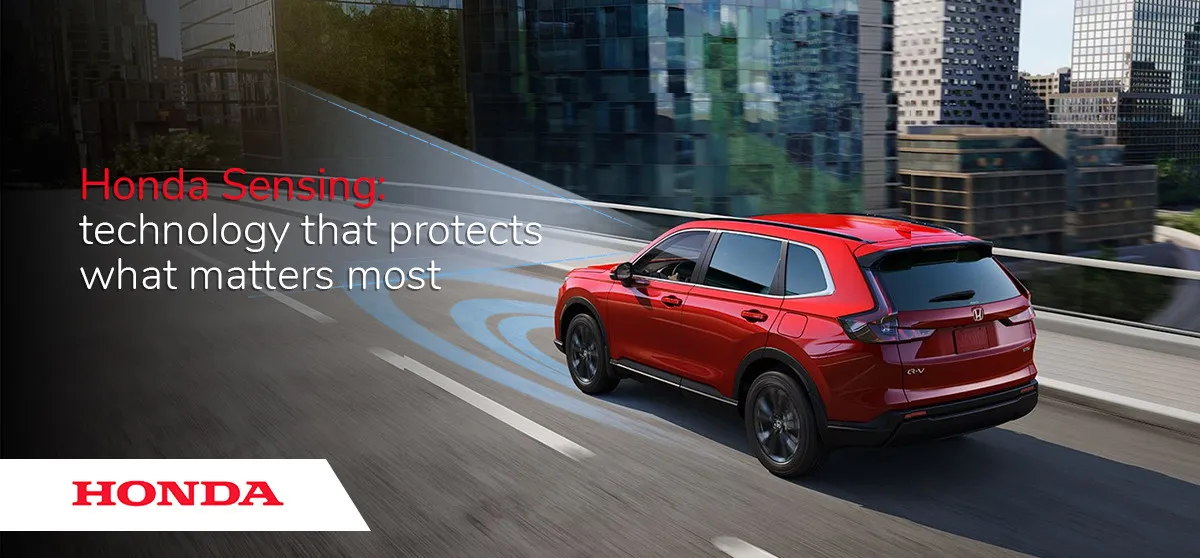
Honda Sensing is a suite of active safety and driver-assistance technologies available in Honda vehicles. Unlike passive safety features such as airbags, which deploy after an impact, Honda Sensing continuously monitors the vehicle's surroundings. It can alert the driver and, when necessary, intervene automatically if it detects a potential hazard.
Collision Mitigation Braking System (CMBS)
A wide-angle front camera and radar monitor the road ahead. If the system detects a potential collision with another vehicle or a pedestrian, it first warns the driver. If the driver does not respond in time, the system can automatically apply the brakes to reduce the severity of the impact or help avoid the collision. It also operates at low speeds in urban traffic, where drivers may have very little time to react.
Adaptive Cruise Control (ACC)
When the driver sets a cruising speed, the system tracks the vehicle ahead and automatically adjusts the vehicle's speed to maintain a safe following distance. If the vehicle ahead slows down, yours slows down as well. When the road clears, the system returns to the preset speed without the driver having to make further adjustments. This feature is especially useful on long highway journeys.
Lane Keep Assist and Lane Departure Warning
The front camera detects lane markings on the road. If the vehicle begins to drift out of its lane without the turn signal being activated, the system provides a visual and audible warning. If the vehicle continues to drift, the system can make subtle steering adjustments to help keep the vehicle centred in its lane. The system operates at speeds above 72 km/h, making it particularly useful on the highway.
Blind Spot Detection System
Sensors located in the side-view mirrors can detect vehicles approaching or travelling in areas that may not be visible in the mirrors. When you activate the turn signal and a vehicle is in the blind spot, the system displays a visual alert in the side-view mirror and sounds an audible warning. This feature is particularly helpful when changing lanes on high-speed roads.
Traffic Sign Recognition (TSR)
The front camera detects speed limit signs and displays the recognised limit on the instrument panel. If you miss a sign or enter a new speed zone, the system can remind you of the posted speed limit.
Honda Sensing as a purchase consideration
Beyond its individual features, Honda Sensing gives drivers added confidence on the road. By helping the driver identify potential hazards and respond sooner, it can support safer journeys for you and your family, whether you are driving through Aruba's roads and communities.
Honda Sensing in your Honda
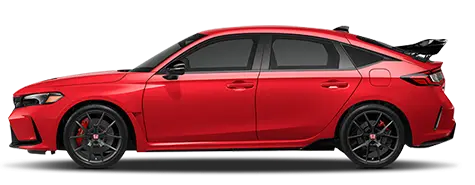
Your Honda comes equipped with the full Honda Sensing suite, giving drivers access to every technology described above in a single package. Whether you are navigating traffic in Oranjestad or covering longer distances on the highway, the Civic's Honda Sensing features work together to help you anticipate hazards, keep a safe following distance and stay centred in your lane. If safety is a priority as you compare your options, it is worth booking a Honda Civic test drive to experience Honda Sensing for yourself.